
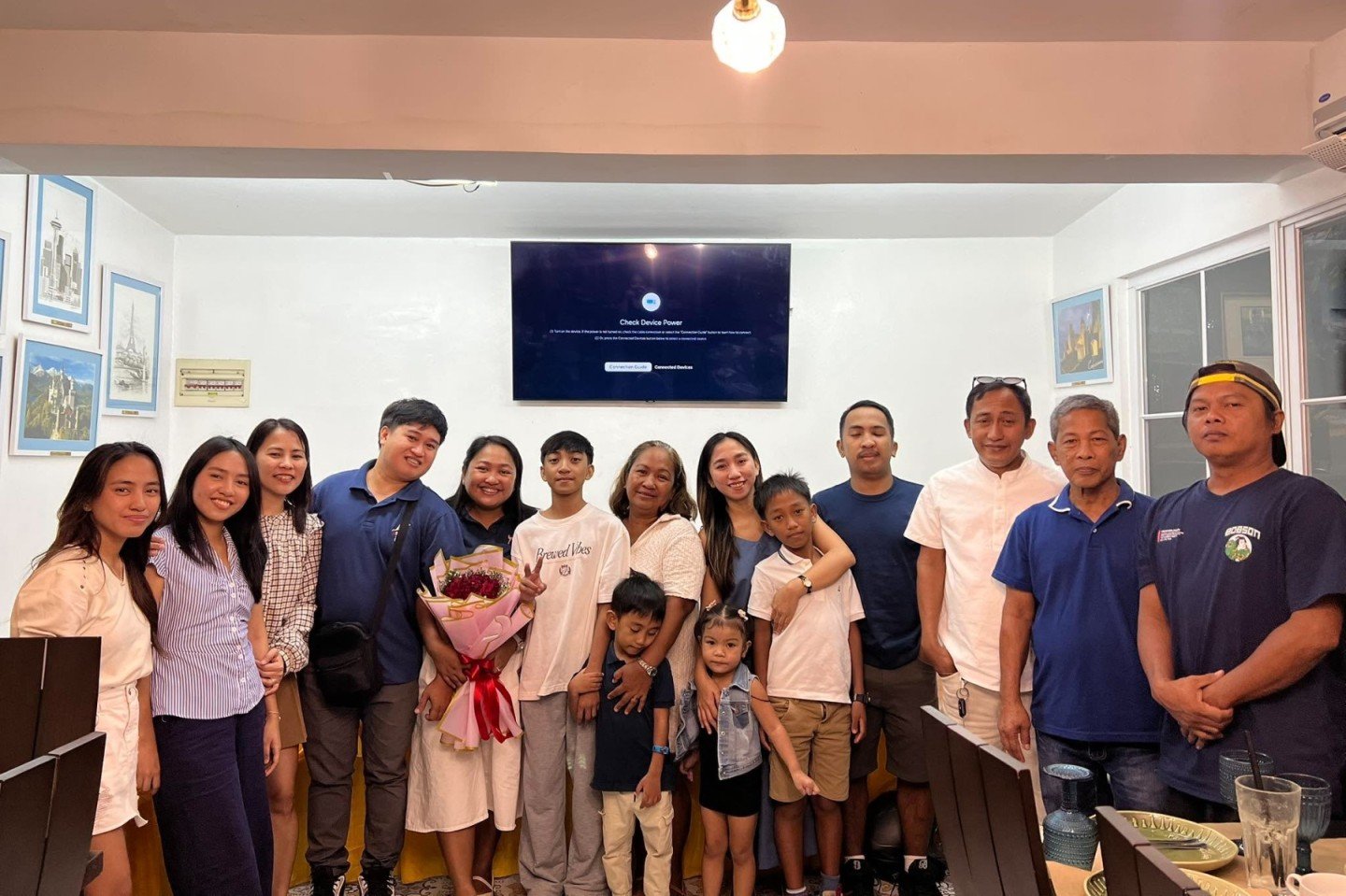
Pamamanhikan Boundaries: How Bride Melie Honored Her Family Without Giving Up Her Wedding
Bride Melie knew exactly what she wanted their pamamanhikan to mean.
She envisions this as the celebration of a decision already made together, as a couple, not a negotiation deal with both families.
Her story hit my heart kasi this is exactly the kind of pamamanhikan boundaries I wish more brides would set from the very beginning. And the way she and her fiancé pulled it off? Sobrang ganda, sis. Let me walk you through it.
She Wanted It Done Seriously. So They Planned It That Way.
Bride Melie shared in her post that the pamamanhikan was deeply meaningful to her as a family-oriented person. She didn’t want to skip it or treat it as just a formality.
“One thing I really requested was for our Pamamanhikan to be done seriously. As a family-oriented girly, this was something very meaningful to me.”
But meaningful doesn’t mean chaotic. It doesn’t mean opening up every decision for a family vote.
Their original plan was to hold it at least a week before the wedding. But as they started preparing, the comments came in. The suggestions and the expectations from her side of the family. All well-meaning, but the couple knew they had to draw a line somewhere.
“While we truly appreciated where they were coming from, there were things we firmly declined because we wanted to establish healthy boundaries as a couple.”
-bride melie
So instead of a pre-wedding gathering that could spiral into a last-minute override of their plans, they moved the pamamanhikan to one month after the proposal.
Smart move. Here’s why.
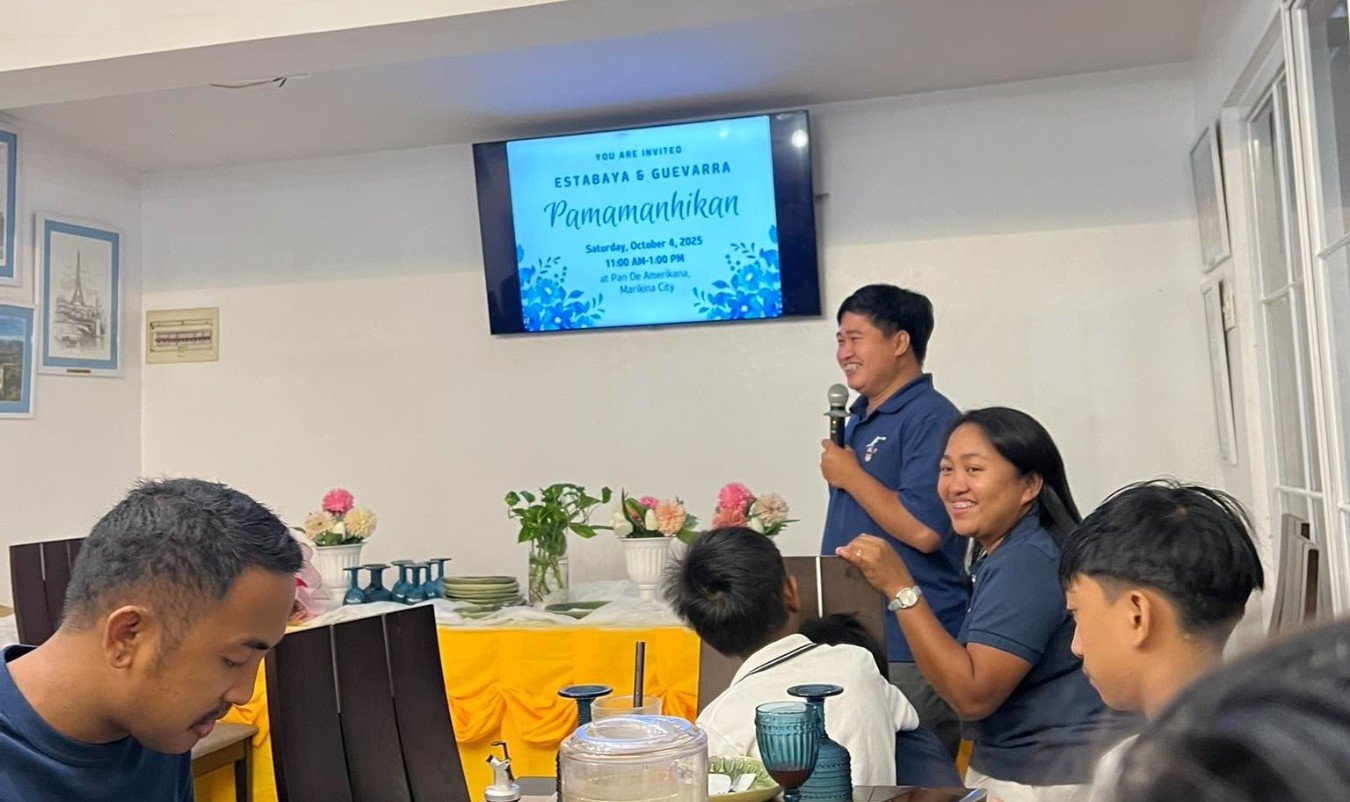
Sa Pamamanhikan: Bakit Kailangang Mauna ang Desisyon ng Couple?
By the time their pamamanhikan happened, everything was already set. The major details were finalized. And I mean everything, including the ninong and ninang list.
“By then, all our major wedding details, decisions, and plans had already been finalized (including the list ng mga ninong at ninang, because we wanted to be intentional sa mga spiritual parents namin, not just to add kasi sinabi ng parents).”
This is one of the most practical pamamanhikan boundaries you can set, and most brides don’t even think of it. When your plans are locked in before the gathering, the family’s role shifts from decision-maker to witness. They get to be honored and included. But they don’t get to restructure your wedding.
The purpose of the gathering, in Bride Melie’s own words:
“The purpose of the gathering was not to ask for permission for every wedding decision, but simply to lay everything down before our families, honor the tradition, and allow both sides to be part of this beautiful milestone.”
Read that again. That’s the definition of a pamamanhikan done right.
How She Got to That Level of Clarity So Fast
Here’s the part that made me so proud, kasi Bride Melie shared this in a private message, too.
She was juggling an 8-hour job as a Medical Writer, part-time lecturing at a university as an academic pharmacist, and her fiancé was working as a Field Engineer. Two busy people. They didn’t hire an expensive planner or book an all-in package supplier.
“Your page and the e-book really helped us navigate our wedding preparation so smoothly.”
She had actually been a silent reader of TBB before she even got engaged. Then, right after the proposal, she purchased the eBook and got to work.
“Kaya kahit less than a month pa lang after the proposal, we were already able to secure all the major details and were just finalizing the minor ones.”
Less than a month, sis. With two full-time careers between them.
If you’re newly engaged and you’re wondering how anyone manages to plan a wedding without losing their mind, this is your answer. Having a clear system from Day 1 means you make decisions fast, you make them together, and you walk into your pamamanhikan with your plans already intact.
The Wedding Planning for the Clueless Bride-to-Be eBook is the exact system Bride Melie used. It walks you through booking your suppliers in order, managing your budget, and protecting your peace from Day 1 to wedding day, without hiring a planner. Bride Melie said it herself:
“My friends and workmates would always ask me, ‘How do you manage your time like that?’ The answer is that: I have the best e-book guide and community that supported me.”
The Boundaries They Set During Wedding Planning (And What You Can Borrow)
Bride Melie also shared that The Budgetarian Bride process helped them avoid something so many couples experience during this season.
“TBB really helped us set boundaries, from managing our RSVP and choosing our guests wisely, to carefully choosing our suppliers, asking the right questions, and so much more.”
And the one that really got me:
“Hindi rin namin kinailangang manghingi sa aming mga magulang o kahit kanino man, because we were able to set, plan, and prepare for our wedding on our own terms and within our means.”
This is what “your wedding, your money, your rules” looks like in real life. It’s not about being disrespectful to family. It’s about walking into every conversation, including your pamamanhikan, prepared. So nobody else can make decisions for you by default.
She added something that hit differently:
“As a panganay and the family’s breadwinner, akala ko impossible na to get married in the way we envisioned it. But the Lord who promised us is faithful.”
And then she ended her message with this:
“Our Pamamanhikan became more than just a tradition. It became one of the first moments where we stood together as husband and wife-to-be and, in our own way, said: This is the family we are building, and this is how we want to begin.”
And that is beautiful.
What You Can Take From Bride Melie’s Traditional Pamamanhikan Story
If you’re newly engaged and you’re about to plan your pamamanhikan, here are the real, practical things her story teaches us:
- Finalize your major decisions before the gathering. Guest list, venue direction, ninong/ninang list. Lock it in as a couple first so the family joins a celebration, not a negotiation.
- Move the pamamanhikan earlier if you need to. One month after the proposal worked for this lovely couple. The key is that your plans are already set when it happens.
- Be intentional about your sponsors’ list. The ninong and ninang list is not a social obligation roster. Choose people you genuinely want as spiritual parents in your marriage.
- Prepare your pre-wedding and post-wedding plans together. Bride Melie’s fiancé presented both during their pamamanhikan. That kind of united front protects you from outside pressure later.
- Get your planning system in place before the opinions arrive. The faster you have a clear plan, the less room there is for others to fill the gaps with theirs.
As a couple, you need to be clear about your non-negotiables first bago kayo tumanggap ng mga suggestions mula sa family or relatives ninyo. That’s what the couple did.
If you want to start your wedding planning the same way she did, grab the Wedding Planning for the Clueless Bride-to-Be eBook and build that plan before anyone else has a chance to build it for you.
And if you’re just starting out and not quite ready for the full guide, I have a free resource for you too. Your First 30 Days as a Bride-to-Be is a free video, PDF, and email series that helps you get your footing in the most critical phase of planning. Grab it here and start strong.
Frequently Asked Questions
Ano ba talaga ang pamamanhikan, at kailangan pa ba ito ngayon?
The pamamanhikan is a Filipino tradition where the groom’s family formally visits the bride’s family to announce the couple’s intention to marry. It’s still very much practiced today, though how it’s done is entirely up to the couple. You can honor the tradition while still setting boundaries on what gets discussed or decided during the gathering.
Can we hold the pamamanhikan before all the wedding details are finalized?
You can, but be prepared for more input and suggestions from family if nothing is locked in yet. Many couples find it easier to finalize their major decisions first, then present those plans at the pamamanhikan. This way, the gathering becomes an announcement rather than an open forum for every opinion in the room.
How do we handle family members who expect to have a say in the wedding during pamamanhikan?
The kindest and most effective approach is to present your plans as already decided, framed warmly. You’re not asking for approval. You’re sharing your vision and inviting them to celebrate it with you. If specific topics come up that you’ve already settled, a simple “napag-usapan na po namin ito” is a complete sentence.
Paano namin pipiliin ang ninong at ninang without offending anyone?
Be intentional from the start, and treat the list as a private decision between you and your fiancé until the pamamanhikan. Choose people who will genuinely be present in your marriage, not just names to fill a program. It’s much easier to hold the line when the list is already finalized before relatives start making suggestions.
Do we need to hire a wedding planner to plan a stress-free wedding?
Not necessarily. Bride Melie planned her entire wedding alongside a full-time job and part-time work, without a coordinator, by using a clear system. What matters most is having a step-by-step process that keeps you organized and helps you make decisions in the right order. That’s exactly what a good planning guide is for.